
A mother and daughter received the same cancer diagnosis. Here's what happened
Carol Meyers, 72, knew exactly how her daughter was feeling.
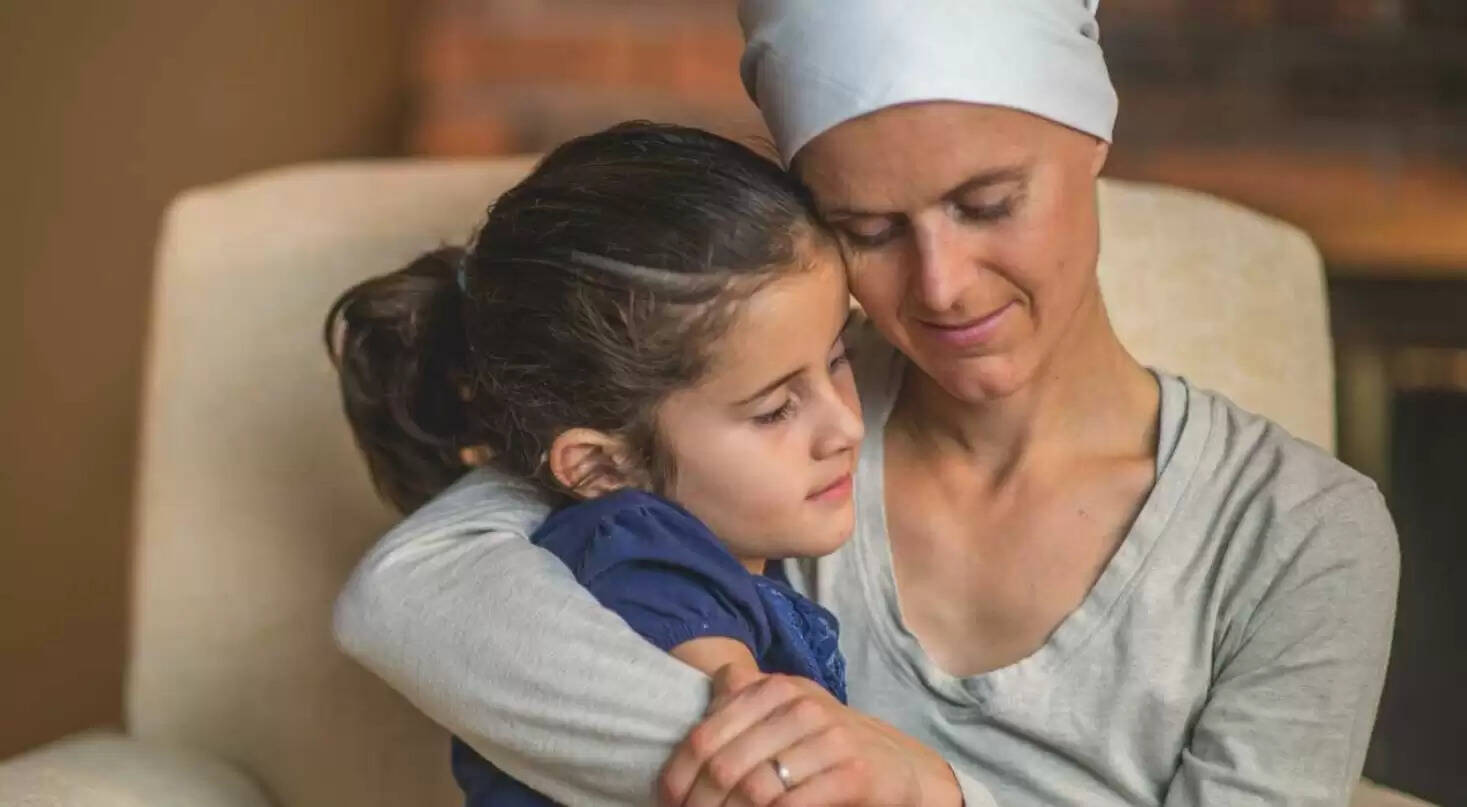
Her daughter, Carley Yelyashov, 44, was in the hospital in June 2024 for a bone marrow transplant, when healthy stem cells are infused into the body to boost healthy cell production.
Meyers had the exact same treatment in September 2022 to treat the exact same disease.
The mother and daughter received identical diagnoses just over a year apart of multiple myeloma, a blood cancer that occurs when plasma cells become abnormal and produce dangerous proteins that can cause damage to our bones, kidneys and other functions.
"I knew what it entailed," Meyers recalls. "It was breaking my heart that she had to endure it as well ... (but) I got through it. She got through it."
Need a news break? Check out the all new PLAY hub with puzzles, games and more!
We don't know what exactly causes multiple myeloma, according to Robert Rifkin, hematologist and oncologist at UCHealth Jan Bishop Cancer Center in Steamboat Springs, Colorado.
But multiple myeloma is not considered a hereditary disease, and it doesn't have a known biological or environmental link.
"Their case is unusual," says Rifkin. "Being 20 years apart, a mom and a daughter."
While the cause of multiple myeloma is still being researched, we have more options than ever to treat it. Recent innovations have transformed what living with this cancer looks like, Rifkin says, noting over 150,000 people in the United States live with multiple myeloma.
Crosswords Promo January 2025
"The most important thing is delivering a hopeful message. We can really preserve your quality of life," he says.
"We've really turned something that was a horrible acute disease into a chronic disease, and patients benefit in terms of survival. The toolbox continues to expand rapidly."
Diagnosing subtle symptoms
Meyers was reaching for something when she felt a crack. It turned out she had multiple rib fractures, which was the first clue that led to her diagnosis.
Bones become weaker and thinner in people with multiple myeloma because myeloma cells send signal to break down more bone than normal for typical health and block creation of repair cells, according to the Myeloma Foundation.
Then in June 2023, Yelyashov got the same news after feeling consistent aches and pains.
"It felt like my bones were being locked up," Yelyashov says. She attributed it to her frequent exercise. But she decided to get checked out on the drive home to Chicago from her dad's 75th birthday celebration. Her husband dropped her off at the Northwestern emergency room. Yelyashov, then 42, never imagined hours later, she'd have a diagnosis.
"I didn't understand what that meant for mom until I got the diagnosis," Yelyashov says. "I had no other symptoms other than general soreness. I was not expecting it at all."
Multiple myeloma has a median age of diagnosis of 65 to 69 years old, Rifkin says.
And symptoms can be as subtle as back pain. That means it's important to get an annual physicals and talk to your doctor about any persistent, noticeable health changes. A simple blood test can give answers.
A disease with many treatment paths
If there is point of hope with a multiple myeloma diagnoses, Rifkin says, it's the many treatment now options available to patients. The latest development is a drug call Blenrep, which was approved by the
U.S. Food and Drug Administration in October 2025 to treat adults with multiple myeloma whose cancer has come back or did not respond to other treatments.
"The patient and their caregiver really have a chance to participate actively in the decision for which treatment option to take," Rifkin says.
These options include traditional chemotherapy and radiation, as well as medicines that target inflammation and swelling in the body caused by myeloma cells.
The right path is determined with consideration of other factors, such as patients' distance from medical centers or if they can withstand oral or intravenous care.
Cancer care: He made it to the other side of Stage 4 colorectal cancer. How?
Meyers has had numerous treatments, including multiple medications, chemotherapy infusions and a stem cell transplant. When something worked, she and her oncology team continued. When it stopped working, they pivoted.
"Everything was looking good until it wasn't," says Meyers, describing keeping up with each new phase as "frustrating." Yet, she maintained her resolve to recover.
Each treatment path has side effects to consider, too: A pulmonary embolism caused by her treatment landed Meyers in the hospital. She broke both of her legs and a finger due to her weakened bones.
She says the effects of the stem cell transplant, which often causes nausea and vomiting, were "brutal" for both her and her daughter.